Altitude's Influence on Endurance Across Horse Racing Tracks and Soccer Fields at Height
Rafael Albrecht · Jul 31, 2026
Altitude's Influence on Endurance Across Horse Racing Tracks and Soccer Fields at Height
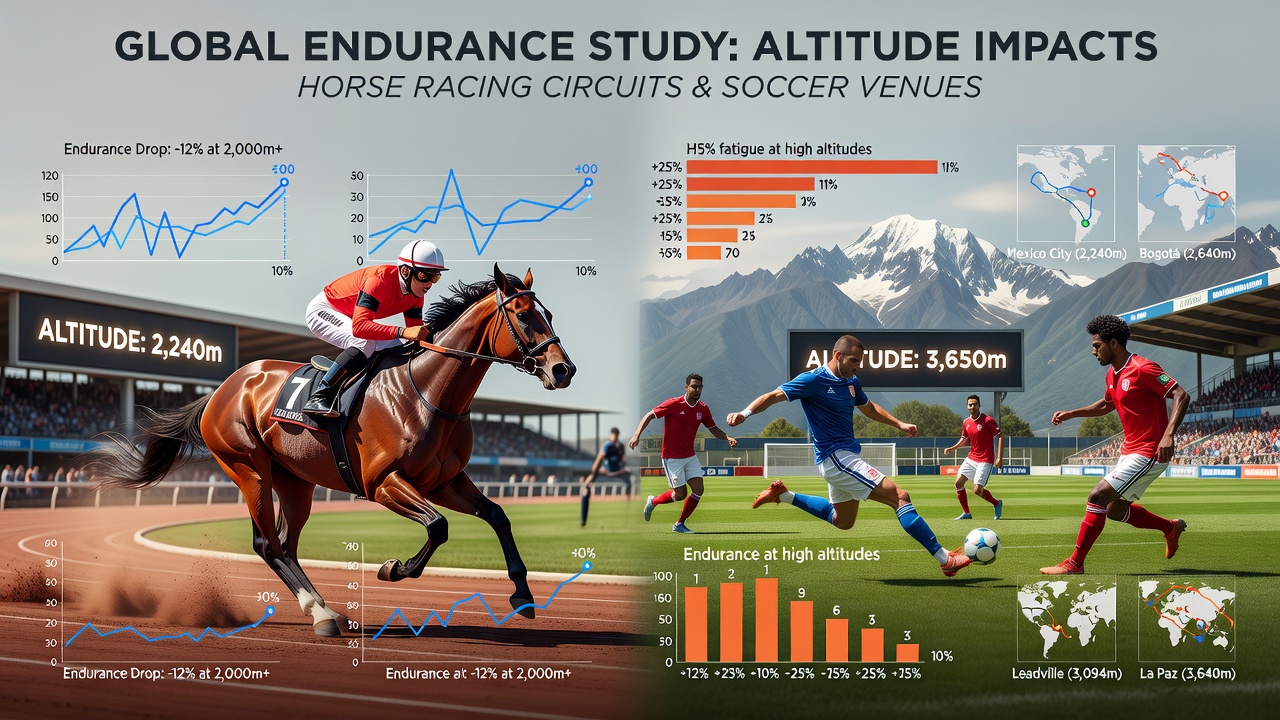
Researchers have long tracked how reduced oxygen levels at elevation alter aerobic performance, and data from multiple continents shows consistent patterns in both equine and human athletes. Horses competing above 2,000 meters often post slower sectional times during the latter stages of races, while soccer players in similar conditions demonstrate lower total distance covered and reduced sprint frequency according to match tracking systems. Studies from institutions like the University of Calgary indicate that acclimatization periods of 10 to 14 days can partially offset these declines, yet full physiological adaptation remains incomplete for many competitors.
Physiological Mechanisms at Play
Lower air pressure reduces the partial pressure of oxygen, which forces the body to increase breathing rate and heart output just to maintain baseline energy production. In horses this manifests as elevated lactate thresholds reached earlier in workouts, while human athletes experience quicker onset of fatigue during repeated high-intensity efforts. Observers note that both species rely more heavily on anaerobic pathways at altitude, leading to faster glycogen depletion over the course of an event. Data collected during training camps in the Rockies and the Andes reveals that maximal oxygen uptake can drop by 10 to 15 percent at 2,500 meters compared with sea-level baselines.
Performance Patterns in International Horse Racing Circuits
Tracks such as those in Mexico City, Johannesburg, and certain venues in the western United States sit at elevations where endurance metrics shift noticeably. Race records from these locations show that favorites with strong closing speed on flat tracks often struggle to replicate those finishes when the same distances are run at altitude. Trainers have adjusted preparation routines by incorporating interval sessions at simulated low-oxygen environments, and timing data indicates modest improvements in late-race stamina after such protocols. One study released in early 2026 examined Thoroughbreds racing between 1,800 and 2,400 meters and found average speed reductions of 3.2 percent in the final 400 meters at higher elevations.
High-Altitude Soccer Venues and Match Statistics
Soccer stadiums in La Paz, Quito, and Mexico City present comparable challenges for players who travel from lower elevations. GPS and optical tracking data collected across CONMEBOL and Liga MX matches reveal that visiting teams cover approximately 8 to 12 percent less high-speed distance in the second half. Home squads that train regularly above 2,000 meters maintain more consistent work rates, although even they show measurable declines during periods of extreme heat combined with thin air. FIFA medical reports from 2025 tournaments noted increased substitution rates for fatigue-related issues at these venues, particularly among midfielders who log the highest cumulative distances.
Comparative Data and Mitigation Approaches
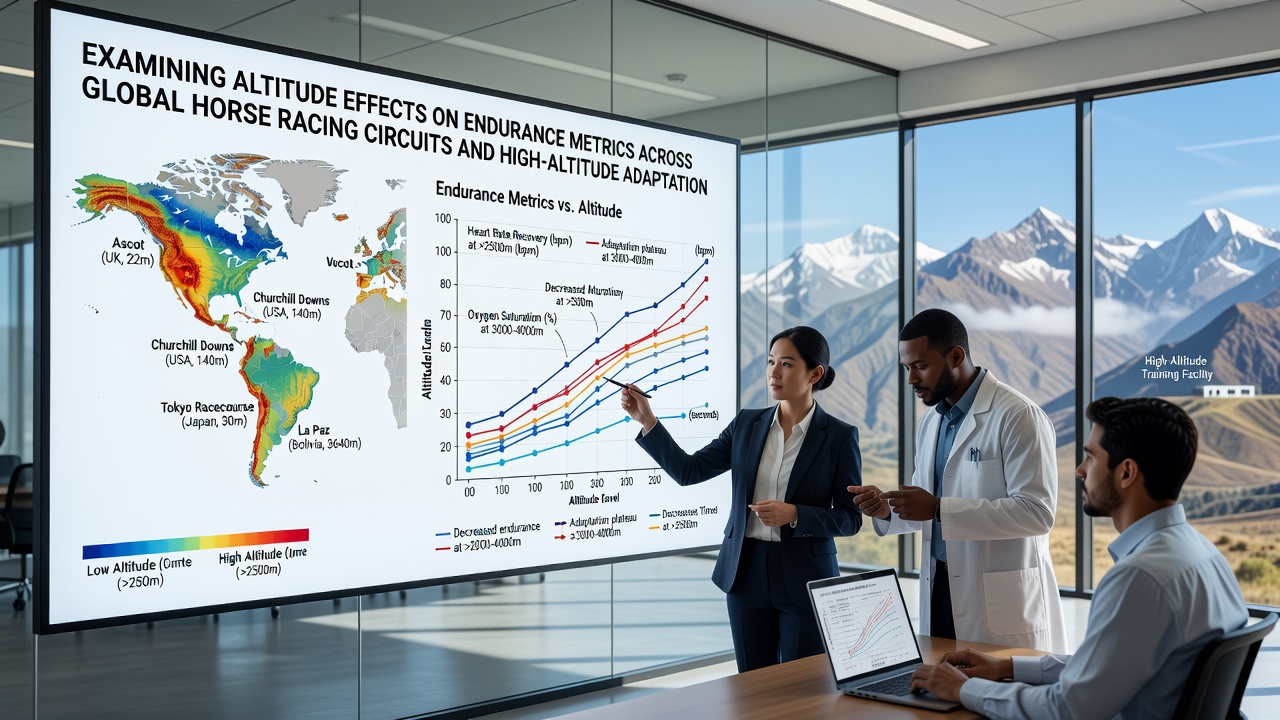
Cross-sport analysis highlights shared vulnerabilities despite the obvious differences between four-legged and two-legged athletes. Both horse racing and soccer data sets demonstrate that the largest performance gaps appear after the 60-minute mark of an event, when cumulative oxygen debt becomes pronounced. Teams and racing stables have experimented with pre-arrival altitude tents, iron supplementation schedules, and modified hydration strategies. Research published by the Australian Institute of Sport in 2025 showed that structured heat-plus-hypoxia camps produced better retention of high-intensity output than hypoxia exposure alone. July 2026 preparations for several international fixtures already incorporate these combined protocols as standard practice.
Conclusion
Global records and match files continue to document how elevation shapes endurance outcomes across these two distinct sports. While individual responses vary based on genetics, prior exposure, and preparation quality, the overall trend remains clear: athletes and horses perform closer to their sea-level capabilities only after deliberate acclimatization and targeted training adjustments. Ongoing collection of biometric and timing data from circuits and stadiums worldwide will refine these strategies further in coming seasons.