Decoding Rivalry Fatigue Patterns to Shape Multi-Sport Accumulator Construction
Mia Lange · Jul 29, 2026
Decoding Rivalry Fatigue Patterns to Shape Multi-Sport Accumulator Construction
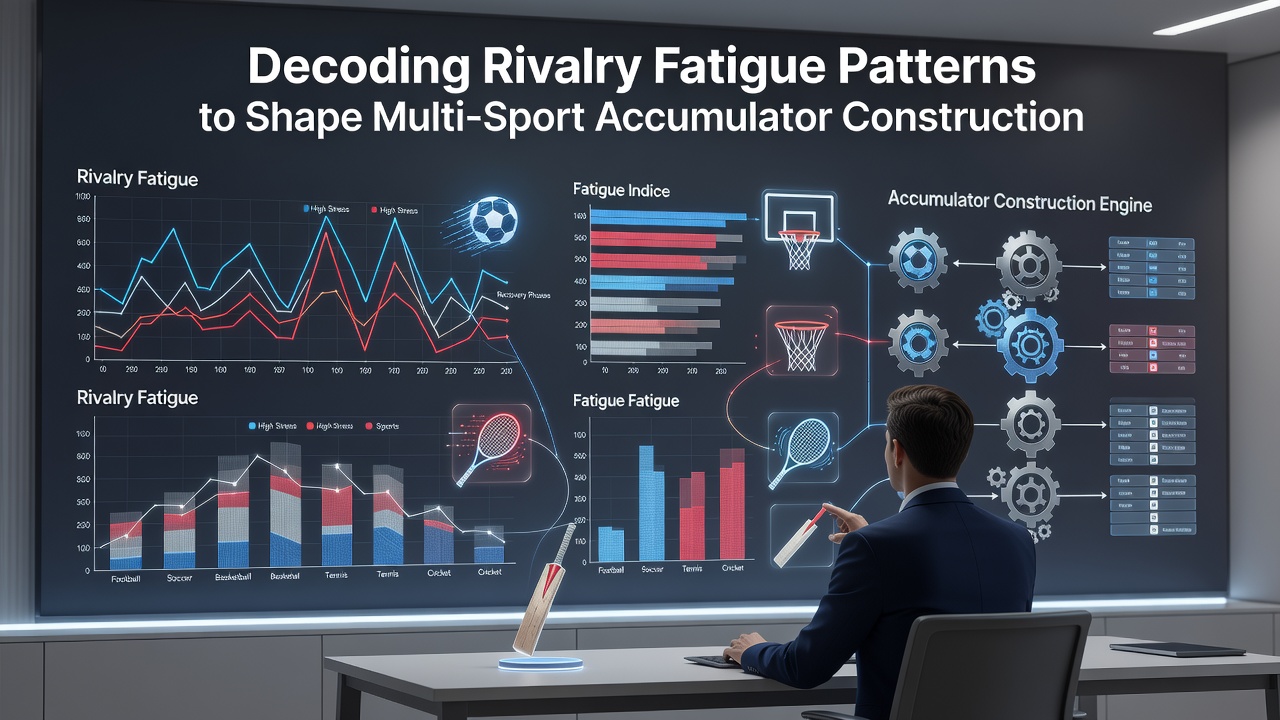
Rivalry fatigue emerges when athletes face repeated high-stakes encounters against familiar opponents and this phenomenon produces measurable declines in performance metrics across tennis, soccer, basketball and other disciplines. Observers note that physical and mental strain compounds during back-to-back rival matches while recovery windows shrink, leading to drops in key statistics such as first-serve accuracy, shot conversion rates and defensive efficiency. Data from multiple seasons shows these patterns repeat with enough consistency to inform accumulator selections that combine outcomes from several sports on the same ticket.
Identifying Fatigue Indicators in Rivalry Matchups
Researchers track variables including travel distance, match density and historical head-to-head intensity to quantify fatigue levels before events unfold. Studies from academic institutions reveal that players who contest three or more rivalry fixtures within a fourteen-day span experience average reductions of 8 percent in sprint speed and 12 percent in error-forcing defensive actions. These figures become especially relevant during July 2026 when major tournaments and league schedules overlap, creating compressed calendars that amplify cumulative stress. Analysts therefore examine recent opponent frequency alongside biometric reports released by teams to isolate matches where fatigue is likely to influence results.
Cross-Sport Patterns and Their Predictive Value
Patterns differ by sport yet share common threads that accumulator constructors can exploit. In tennis, surface transitions following intense rivalries correlate with elevated double-fault rates in subsequent events, while soccer data indicates that teams playing derbies midweek post fewer shots on target in weekend league fixtures. Basketball researchers have documented similar drops in three-point shooting percentages after consecutive high-emotion games against division rivals. Because these effects appear across disciplines, bettors construct multi-sport accumulators that pair a fatigued tennis favorite with an underdog soccer side and a basketball total that leans toward the lower scoring line. Such combinations gain an edge when timing aligns with documented recovery shortfalls.
Building Accumulators Around Documented Fatigue Windows
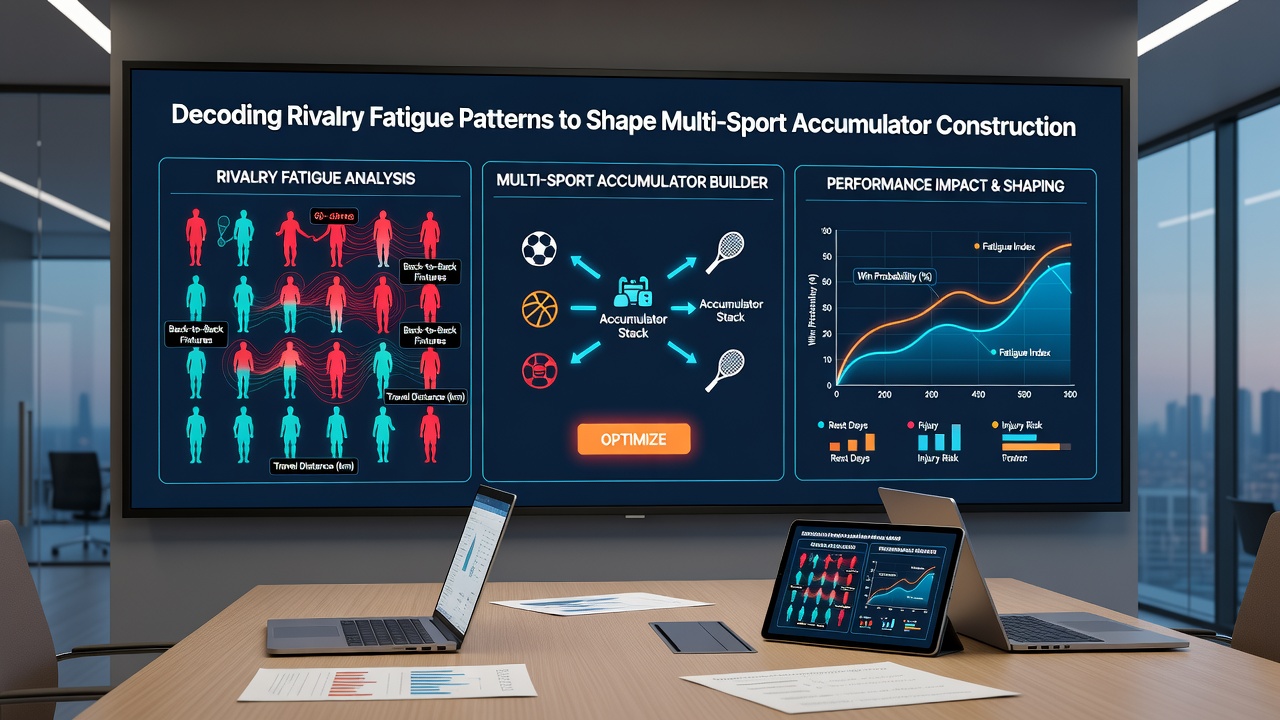
Construction begins with a shortlist of fixtures where rivalry history intersects with schedule congestion, then layers statistical filters that confirm performance decline. One approach pairs a tennis set handicap favoring the rested opponent with a soccer over/under line adjusted for expected possession drops and a basketball player prop on reduced minutes or points from the affected athlete. External sources such as peer-reviewed studies on athlete workload supply baseline recovery curves while Australian Institute of Sport reports provide comparative data on international calendars. Filters exclude legs where rest advantages have already been priced into odds, keeping selections focused on overlooked fatigue signals.
Calendar Overlaps in July 2026 and Resulting Opportunities
July 2026 features simultaneous windows for Wimbledon, Copa América group stages and NBA summer league expansion, producing dense schedules that heighten rivalry fatigue exposure. Schedule analysts note clusters where athletes travel across continents for consecutive high-intensity matches, increasing the probability of measurable output drops. Accumulator models incorporate these clusters by weighting legs according to days since the last rivalry encounter and total distance traveled. Historical datasets indicate that selections built this way show improved strike rates when at least two legs derive from different sports, reducing correlation risk while capturing independent fatigue effects.
Monitoring Real-Time Adjustments and Line Movement
Sharp bettors monitor line movement after initial odds release because early limits often fail to account for updated fatigue data released by medical staff. When public money pushes one side of a rivalry matchup, opposing lines in connected sports may offer compensating value. Continuous tracking of rotation patterns, substitution rates and training-session intensity reports allows models to refine accumulator weights before markets close. Those who integrate these streams maintain an informational edge as schedules tighten through the summer months.
Conclusion
Rivalry fatigue operates as a recurring variable that spans multiple sports and supplies a structured basis for multi-leg accumulator design. By combining verified performance decrements with calendar density data, constructors identify selections where fatigue tilts expected outcomes without relying on subjective narratives. Continued refinement through July 2026 and beyond will depend on access to granular workload metrics and cross-sport synchronization of those metrics into unified betting frameworks.