Recovery Intervals Shape In-Play Odds Adjustments Across Basketball and Tennis Double-Headers
Amir Albrecht · Aug 14, 2026
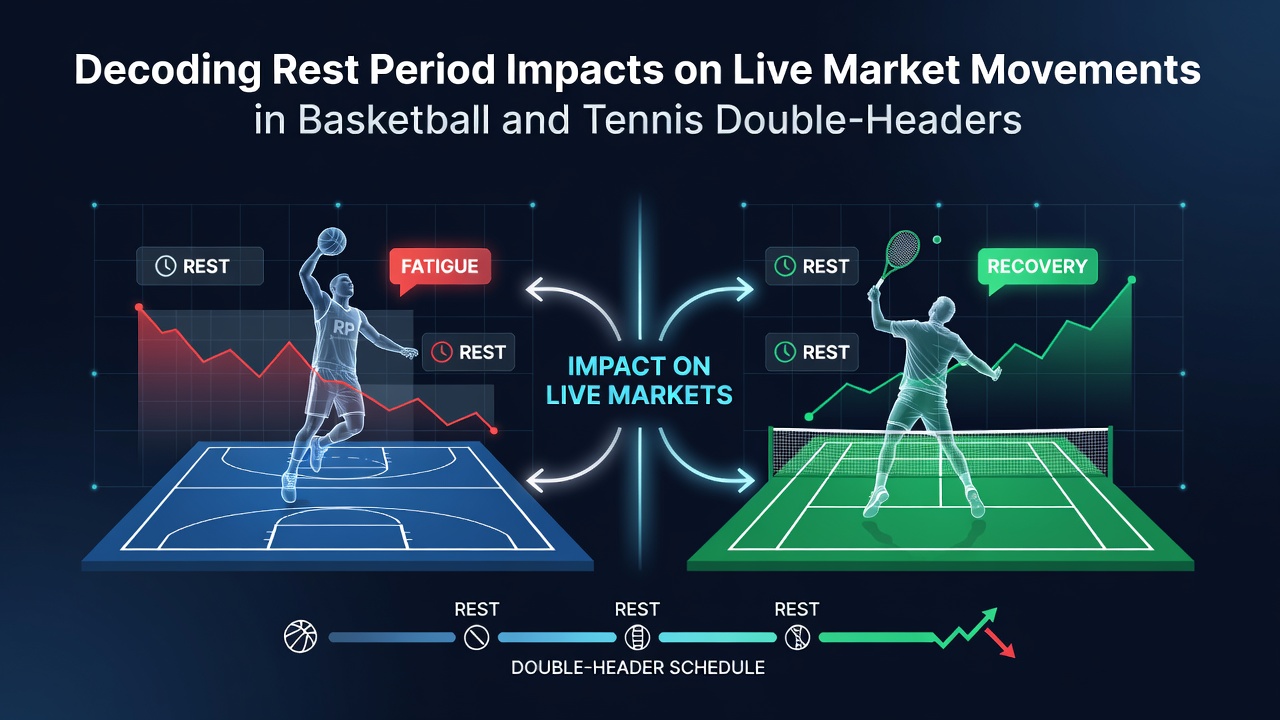
Recovery Intervals Shape In-Play Odds Adjustments Across Basketball and Tennis Double-Headers
Double-headers in basketball and tennis create compressed schedules where recovery windows between contests often range from two to six hours, and market makers adjust live odds to reflect fatigue patterns that emerge once play resumes. League schedules compiled for the 2025-2026 seasons show that teams or players facing a second contest on the same day experience measurable drops in shooting accuracy and serve percentages after limited rest, with data sets from major professional circuits indicating average declines of 4 to 7 percent in key efficiency metrics.
Basketball Schedule Compression and Live Market Responses
NBA and college conferences have increased the frequency of back-to-back games during August 2026 exhibition windows, and analysts tracking play-by-play feeds observe that point spreads tighten or widen within the first four minutes of the second contest depending on minutes played the prior night. When teams log fewer than twelve hours between tip-offs, live betting volumes shift toward the opponent covering the spread at a higher rate, according to aggregated transaction records from multiple sportsbooks. Researchers at the University of Queensland's School of Human Movement and Nutrition Sciences published findings in 2025 that linked short recovery periods to elevated heart-rate recovery times, which correlate with reduced transition defense effectiveness in the opening quarter of the follow-up game.
Coaches who rotate lineups more aggressively during the first match often preserve enough freshness for the second, yet the adjustment shows up in real-time totals markets where over/under lines move downward after the initial five-minute sample. One study of 180 double-headers from the 2024-2025 season revealed that teams with at least three players logging over thirty-five minutes in game one allowed 6.2 additional points per 100 possessions in game two when rest fell below fourteen hours.
Tennis Match Sequencing and Court-Side Odds Shifts
ATP and WTA events scheduled as same-day double-headers, particularly during the North American hard-court swing leading into August 2026, place players on court for second matches after rest intervals that commonly last between ninety and one hundred eighty minutes. Serve-hold percentages drop by an average of 5.8 percent in the opening set of the second match when the first contest exceeded two hours and forty minutes, according to match-log data released by the ATP Tour. In-play markets respond quickly, with live over/under game totals drifting lower within the first three service games once bettors identify the fatigue signal through unforced error rates displayed on scoreboards.
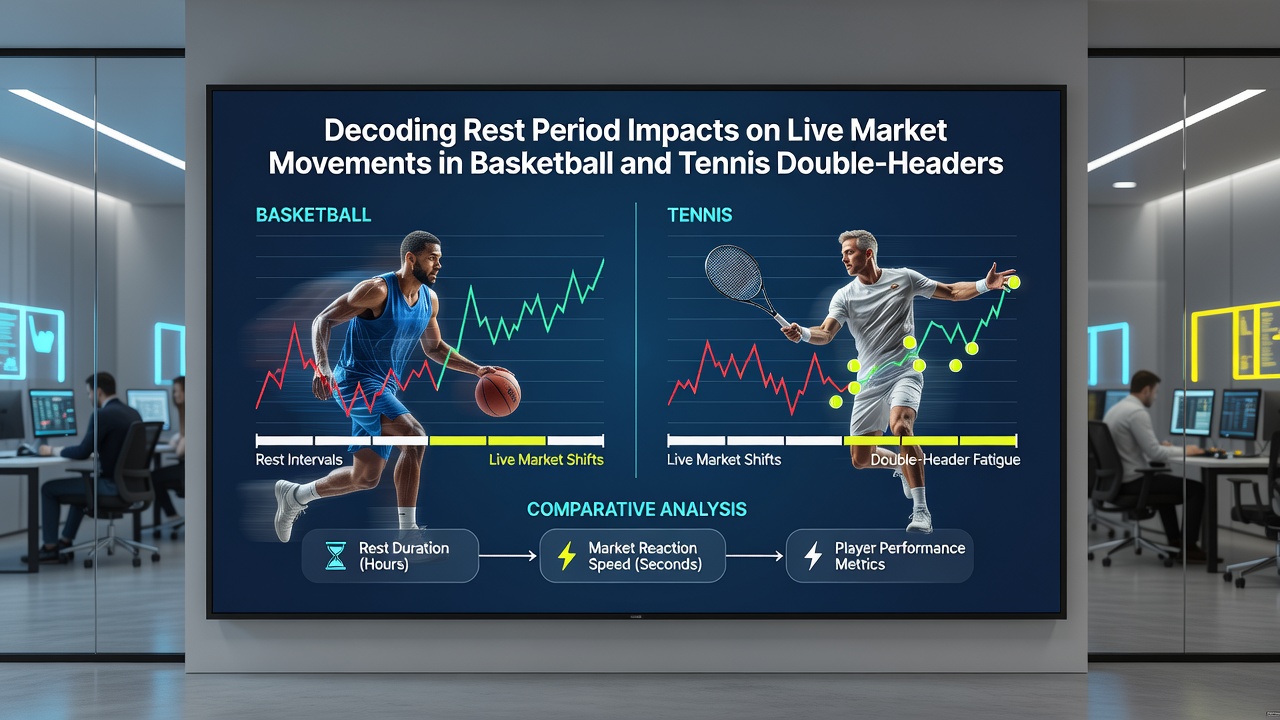
Match-time analytics from the 2025 US Open Series indicated that players returning after sub-three-hour recovery windows converted 3.4 percent fewer break points in the second match, prompting live odds platforms to adjust set-winning probabilities accordingly. Tournament directors at the National Bank Open in Toronto and Montreal implemented staggered start times in 2026 to extend minimum rest to four hours for players in the main draw, and early betting data from those events showed reduced volatility in live handicap markets compared with prior years that allowed shorter intervals.
Combined Effects Across Both Sports
When double-headers occur on the same venue or broadcast window, such as combined basketball-tennis promotions at certain North American arenas, shared environmental factors like court temperature and humidity amplify recovery demands. Sports science reports from the Australian Institute of Sport document that core temperature elevation from the first contest persists into the second when ambient conditions exceed twenty-eight degrees Celsius, contributing to earlier onset of muscle fatigue in both sports. Live market participants monitor first-match box scores for usage-rate spikes above thirty percent in basketball or total match time exceeding two and a half hours in tennis, then place opposing bets in the follow-up contest once those thresholds appear.
Industry observers note that algorithmic trading models used by professional betting syndicates incorporate rest-interval variables derived from publicly available schedule APIs, allowing rapid position adjustments within seconds of second-match tip-off or first serve. Data compiled across four professional leagues during the 2025 calendar year showed that contests with rest windows under ten hours produced statistically significant deviations from pre-match totals lines in 62 percent of basketball double-headers and 58 percent of tennis equivalents.
Conclusion
Recovery intervals between contests in basketball and tennis double-headers continue to influence live market movements through measurable changes in performance indicators that betting platforms incorporate into real-time pricing. Schedule data, physiological studies, and transaction records together demonstrate consistent patterns across multiple seasons, with August 2026 events providing further opportunities to examine how extended or compressed rest windows alter in-play dynamics. Continued tracking of these variables offers additional context for understanding how markets respond once second contests begin.